
Fang La Fish: A Classic Dish from Anhui's Culinary Treasure Trove
Explore the authentic preparation of Fang La Fish, a hallmark of Anhui cuisine. Discover its rich flavors and traditional cooking methods.
Fang La Fish is a celebrated dish that embodies the rich culinary traditions of Anhui Province, specifically from the She County region. Named after the historical figure Fang La, a leader known for his role in a significant peasant uprising, this dish showcases the robust and hearty essence of Hui cuisine. The preparation involves using a whole Mandarin fish, which is initially deep-fried to achieve a golden, crispy exterior, before being braised in a savory and slightly spicy sauce. This technique results in a dish where the fish remains tender inside while maintaining a flavorful, firm outer layer, characteristic of Hui cuisine’s “heavy color and heavy oil” style.
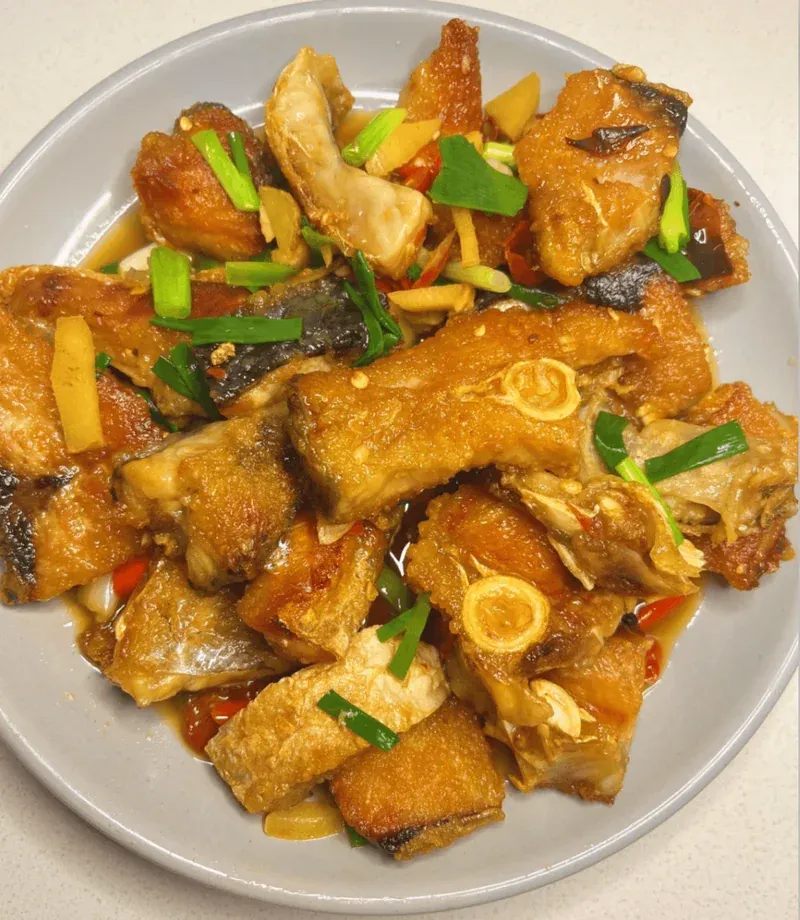
📋Ingredients
- 1 Whole Mandarin Fish (around 680g - 780g)
- 45g Lean pork (finely diced for enhancing the sauce)
- 28g Bamboo shoots (sliced or diced)
- 3-4 Shiitake mushrooms (sliced)
- 3 tablespoons Shaoxing wine
- 2 tablespoons Light soy sauce
- 1 tablespoon Dark soy sauce (for depth of color)
- 1 tablespoon Sugar
- 1 teaspoon Black vinegar
- 18g Ginger (minced)
- 18g Garlic (minced)
- 2-3 Dried red chilies (chopped)
- 2 cups Vegetable oil (for frying)
- 1 cup Bone broth or water
- 1 tablespoon Cornstarch (mixed with water to form a slurry)
🔪How to Cook
Step 1: Prepping the Fish
- Begin by scaling and gutting the Mandarin fish. Use paper towels to pat it completely dry. Make deep diagonal cuts along both sides of the fish to help the flavors seep in and to ensure even frying.
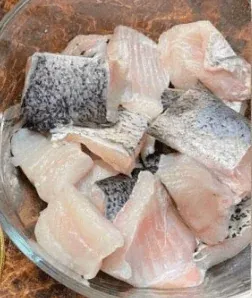
Step 2: The Golden Fry
- Heat the vegetable oil in a large wok until it reaches about 180°C (350°F). Gently place the fish into the hot oil. Fry until both sides are golden brown and crispy. Remove the fish and let it drain on paper towels to remove excess oil.
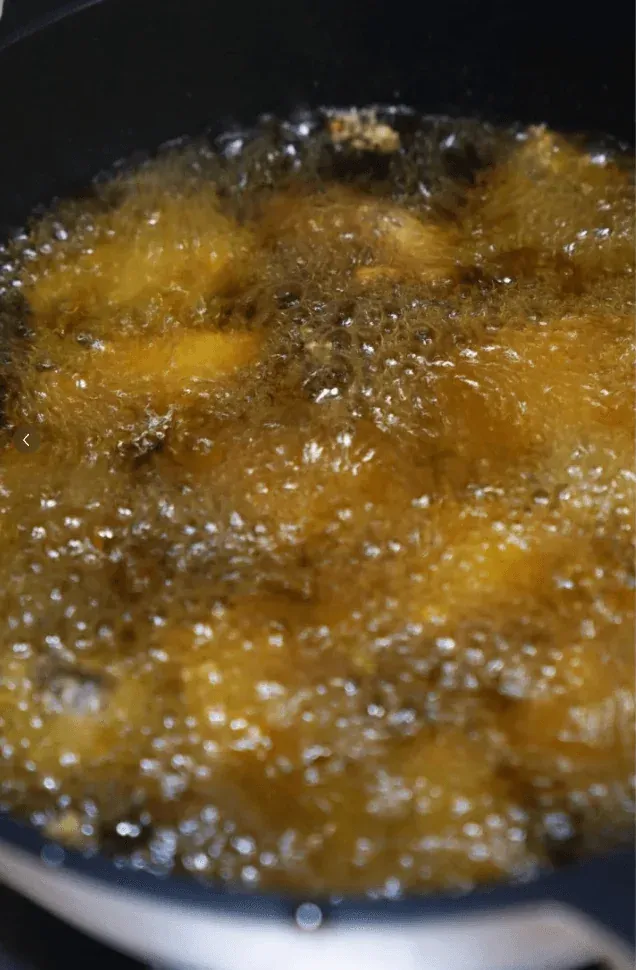
Step 3: Sautéing the Flavor Base
- Discard most of the oil from the wok, leaving approximately 2 tablespoons. Sauté the diced pork, bamboo shoots, and mushrooms until they are aromatic. Add the ginger, garlic, and dried chilies, tossing until the mixture releases its fragrance.
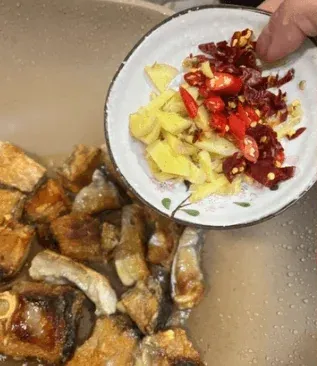
Step 4: Braising the Fish
- Pour in the Shaoxing wine, soy sauces, sugar, and vinegar. Add the bone broth and bring the liquid to a simmer. Carefully place the fried fish back into the wok. Cover and braise on medium-low heat for about 8–10 minutes, occasionally spooning the sauce over the fish.
Step 5: Reducing and Glazing
- Remove the fish and place it on a serving dish. Increase the heat to high to reduce the remaining sauce. Stir in the cornstarch slurry to thicken the sauce until it becomes glossy and thick. Pour the rich sauce over the fish, ensuring it is fully coated.
- [IMAGE GENERATION]: A thick, glossy mahogany sauce being poured over the fish, coating it perfectly in a dark, shimmering glaze.
Important Notes
- The Secret of Hui Flavor: Traditional Anhui dishes often use lard during frying and braising to achieve a richer aroma. For authenticity, consider substituting half the vegetable oil with lard.
- Dry the Fish: Ensure the fish is thoroughly dry before frying to prevent oil splattering and to achieve a perfectly crispy skin.
- Fish Selection: While Mandarin fish is ideal due to its minimal bones and firm texture, Perch or Tilapia can serve as excellent alternatives.
- Braising Time: Avoid over-braising to ensure the fish absorbs the sauce without falling apart. The skin should retain some of its fried texture beneath the glaze.
🧪Nutrition Information (Per Serving)
- Calories: Approximately 440 kcal
- Protein: 34 g
- Fat: 25 g (Includes beneficial fats from the fish)
- Carbohydrates: 11 g
- Potassium: About 14% DV
- Sodium: 700 mg